
The Future of E-commerce: AI-Powered Personalization and Customer Experience
In 2024, artificial intelligence has become the driving force behind e-commerce transformation. From sophisticated recommendation systems to predictive analytics, AI is creating shopping experiences that feel almost intuitive.
The AI E-commerce Revolution
Global AI in e-commerce market projected to reach $16.8 billion by 2027, growing at 42.8% CAGR.
Higher conversion rates with AI personalization
Increased average order value
Consumers expect personalized experiences
Reduced customer service inquiries
Key AI Technologies Reshaping E-commerce
1. Machine Learning for Hyper-Personalization
Advanced ML algorithms analyze thousands of data points to create uniquely tailored shopping experiences for each customer.
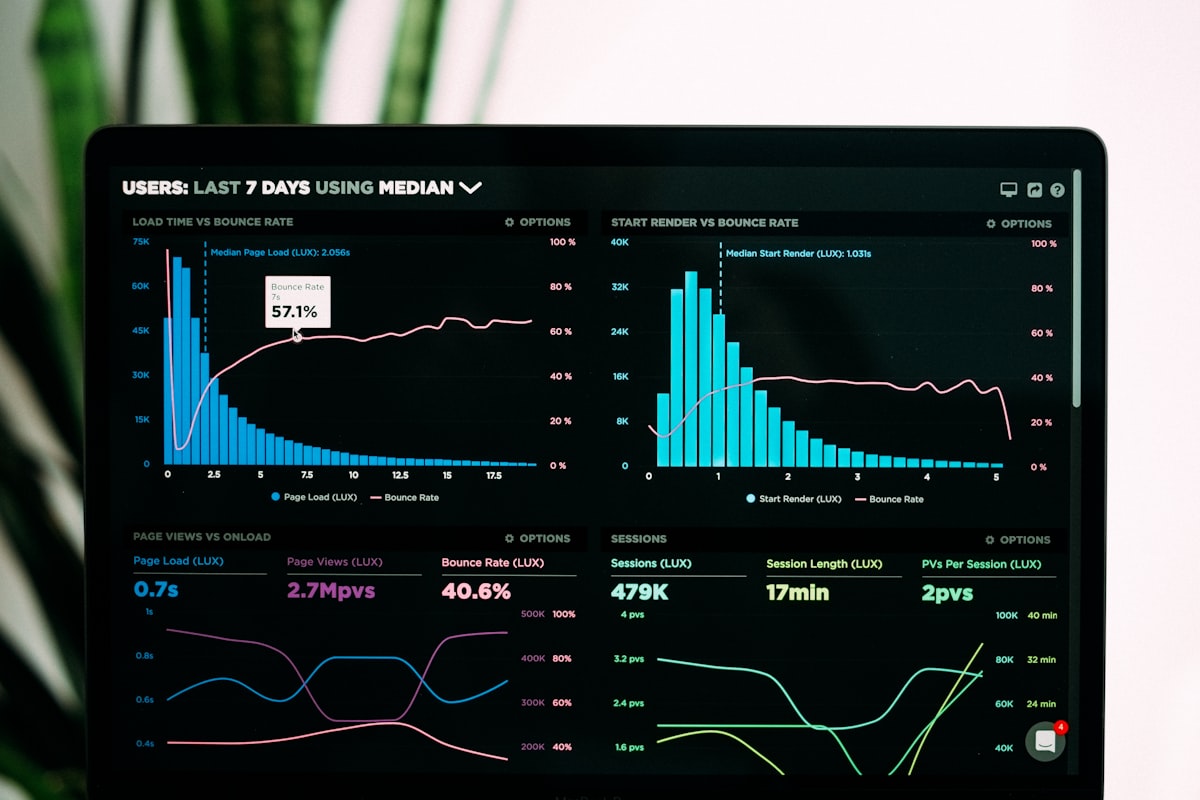
Personalization Features:
- Dynamic Pricing: Real-time price adjustments based on demand and customer behavior
- Contextual Recommendations: Product suggestions based on current browsing session
- Predictive Search: Anticipating customer needs before they finish typing
- Behavioral Marketing: Automated campaigns triggered by user actions
2. Natural Language Processing for Customer Service
NLP-powered chatbots provide 24/7 support that handles everything from simple inquiries to complex troubleshooting. These systems use sentiment analysis to understand customer emotions and route issues to human agents when necessary.
"The integration of AI in our customer service has reduced response times from 4 hours to 2 minutes, while increasing customer satisfaction by 40%. It's about augmenting human capabilities, not replacing them."
The Omnichannel AI Experience
Modern AI creates seamless experiences across mobile, desktop, social media, and physical stores, maintaining context as customers switch between channels.

Implementation Roadmap for Businesses
- Start with high-impact use cases like personalized recommendations or AI-powered search
- Establish clear metrics for measuring success before implementation
- Focus on customer value in every AI implementation
- Build ethical and transparent AI systems that avoid bias
- Create cross-functional teams combining technical and business expertise
The Future is Intelligent and Personalized
AI in e-commerce is no longer optional—it's essential for staying competitive. The most successful businesses will combine sophisticated AI with human insight to create shopping experiences that are both efficient and emotionally resonant, building lasting customer relationships in the process.